

The Floor Is Theirs
Inside Banda Volpi, where the women didn’t wait for a seat at the table. They built the table.
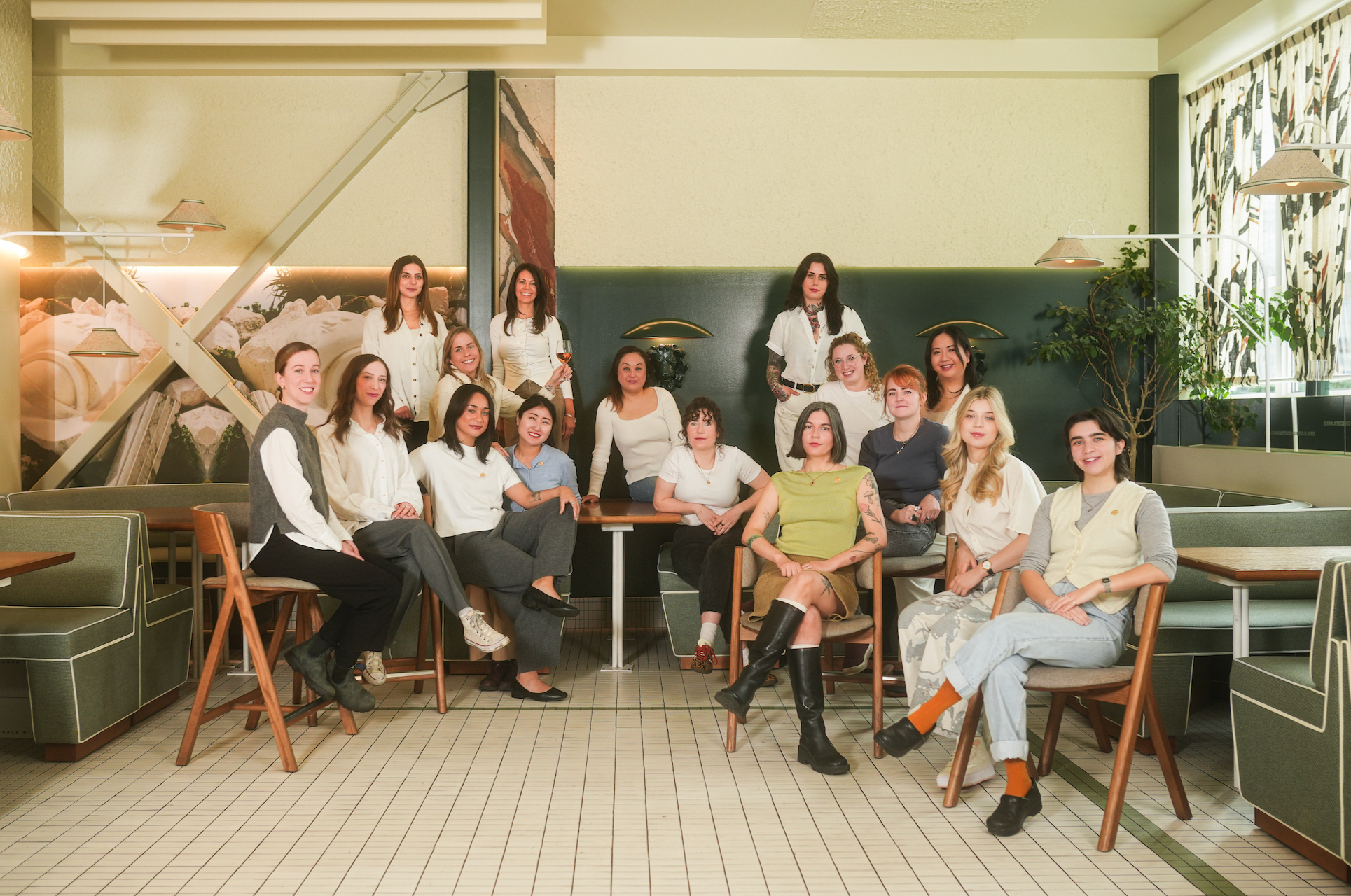
The women of Banda Volpi Restaurant Group: Savio Volpe, Elio Volpe, Pepino’s and Caffè La Tana.
It’s a Friday afternoon in Vancouver, and the conversation has already been going for ten minutes before we reach a formal question. There are check-ins about weekend plans, a bit of laughter, the easy rhythm of people who genuinely enjoy working together. That warmth and connection is not incidental to the story of Banda Volpi. It is the story.
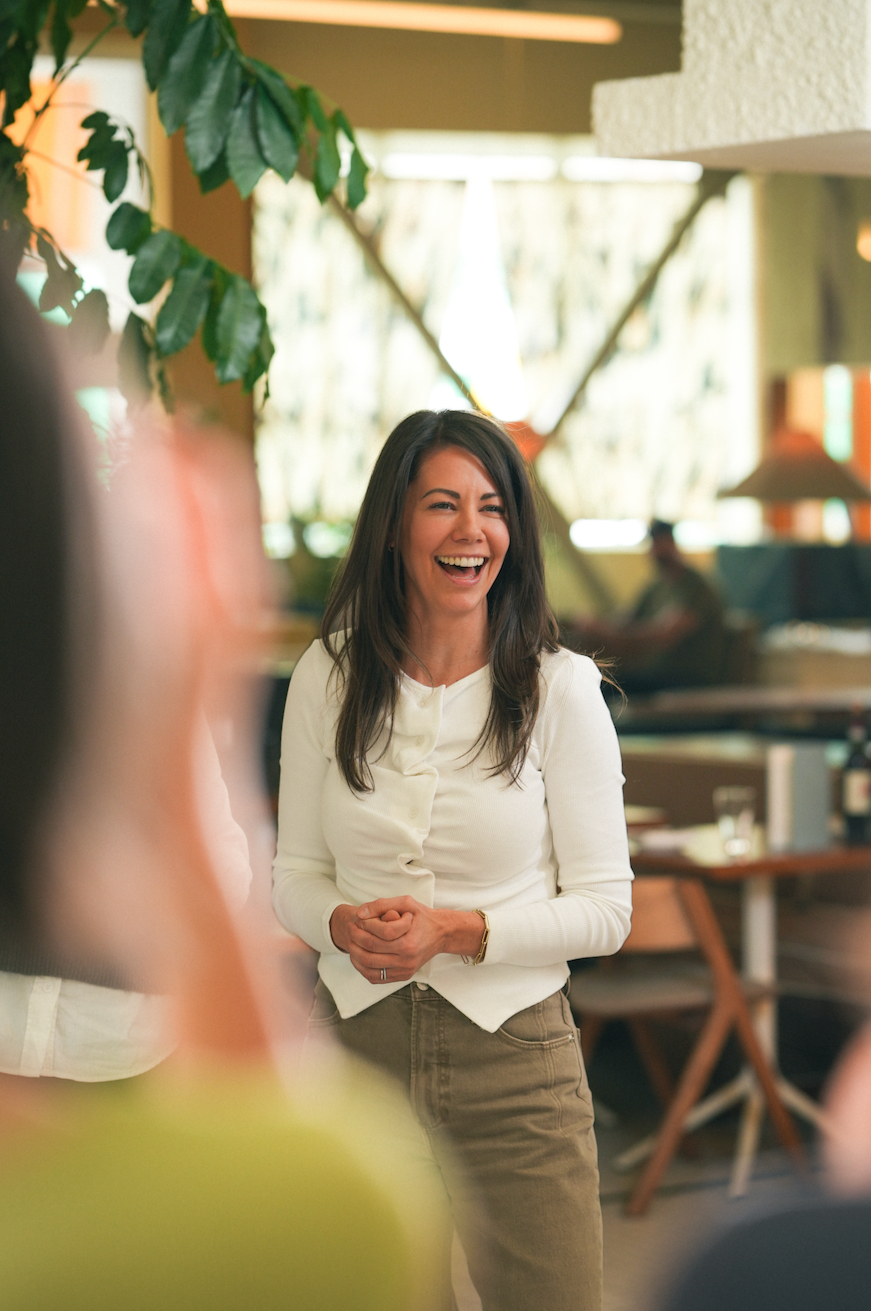
Emily Goodrich, Partner and Director at Banda Volpi, whose leadership reflects the group’s merit-based culture.
We spoke with six of the women of Banda, and they not only represented, but actually demonstrated, something quietly unusual in the restaurant industry. To start, more than fifty percent of Banda Volpi's leadership is female, across every role: ownership through directors, general managers, sommeliers, front and back of house. The natural assumption could be that this was by design. Emily Goodrich, a Partner and Director of the group, is quick to point out otherwise.
"We're very intentional in who we hire," she says, "but it's not intentional in terms of gender. It's the best person for the job. People who are curious, open, and willing to learn in an environment where guest expectations keep rising. She says, “For Paul [Grunberg], Craig [Stanghetta], and I, it doesn't matter if you are female or male."
It’s merit-based.
According to Jordan Yeager, who oversees communications and events across the group, the goal is to showcase the people who show up every day and the care they bring to their work, the people shaping the guest experience, leading kitchen teams, curating wine lists, or planning events. "Women are naturally central to that," she says, "because they're central to our team." Across four restaurants and the parent company, more than half of Banda Volpi’s 49 leaders are women.
Their paths to Banda have been, almost universally, indirect. A barista who became a GM. A documentary filmmaker. A journalist. Someone who once planned to work in policy and human rights law before discovering her passion in wine. Someone who started in food and beverage at fourteen in a cookie shop in Calgary. Someone who quite literally grew up in restaurants.
Beyond creating restaurants full of warmth, Banda Volpi seems genuinely good at recognizing what someone could become, and then building the conditions for it to happen. The title of People & Culture Director was literally created because Kyra Wise came to the table.
What holds the organization together is a set of initiatives that feel deliberately hand-built. A weekly run club. A monthly recognition program that shines a spotlight on exceptional team members across the entire group. It’s called Campione del Mese, which is essentially Italian for ‘employee of the month.’ It’s produced with excitement and followed by everyone, with pride. Town halls twice a year, health benefits for all employees with managers' coverage paid fully by the company.
April Mundell, Controller, operates within this same philosophy. Tip distribution is, in most restaurants, an opaque process that can quietly breed resentment. At Banda Volpi, each property has a tip committee made up of both front and back of house staff, ensuring that the person answering questions about the pool is also a peer. “I constantly hear feedback about how appreciated it is,” April says.
In a space that can so easily become contentious, controversial, or simply unclear, Banda’s commitment to transparency feels like progress in its purest form.
April’s advice to the next generation follows the same clarity. Do not allow others to dismiss you. “If something feels off, keep looking for answers or the support you need. If you’re working somewhere where you aren’t being heard or respected, move on. There are so many amazing places to work where this won’t be the case, so don’t settle.” She adds, “[the industry offers] the flexibility to be financially comfortable without a standard forty-hour week, and real space for creative passions, travel, and education alongside a career. "
"We know everybody's names," Emily says. "Everyone's really kind to each other. For 216 people across four kitchens in Vancouver, that takes real work.”
On mentors, the conversation becomes notably generous. Interestingly, and something many of us can relate to, it is often the leadership you don’t experience that shapes the leader you strive to become. Emily recounts a former boss she worked under for five years, whose example she decided to invert entirely.
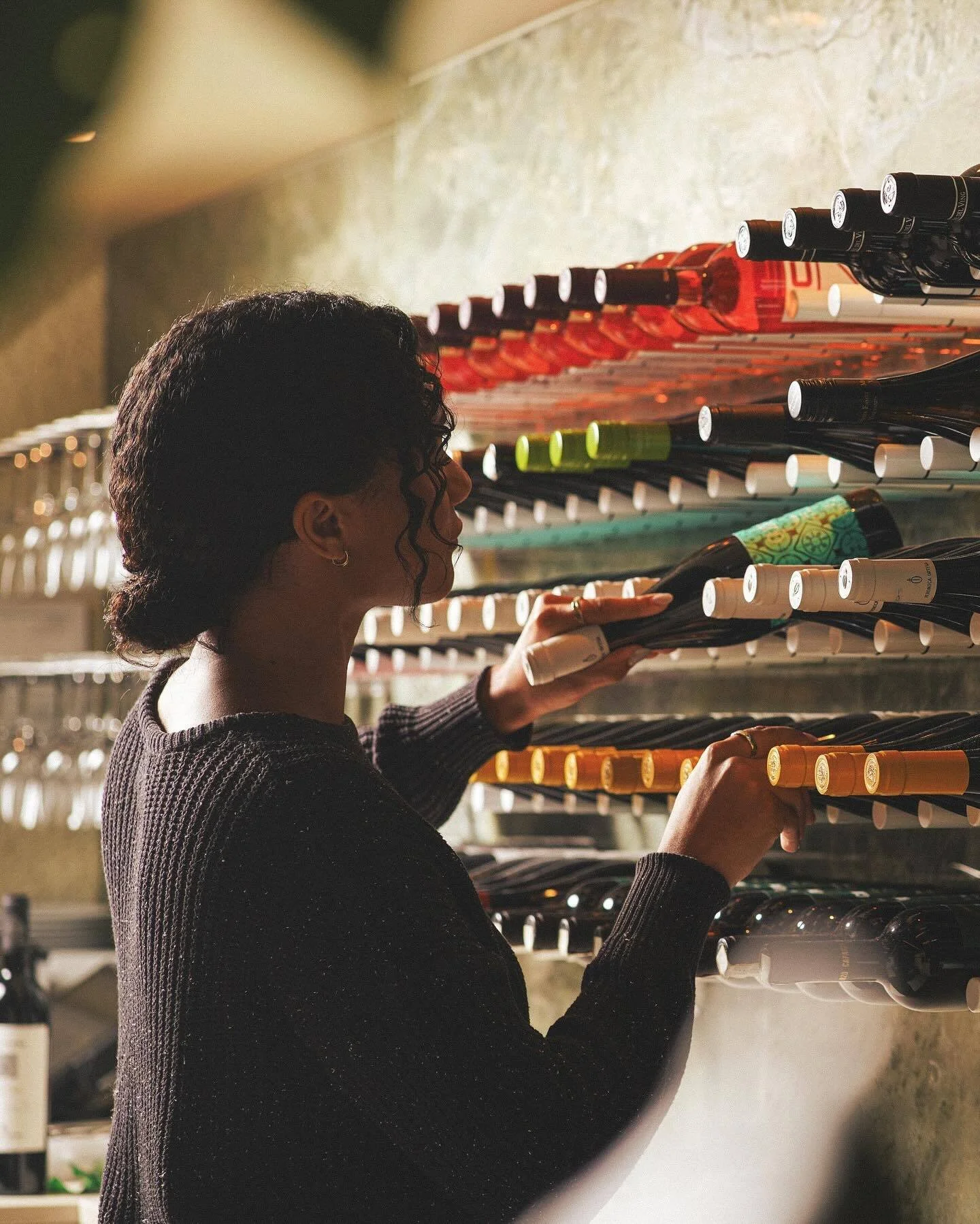
Maia Pearson, Sommelier at Elio Volpe, selecting a bottle from the restaurant’s wall of wine.
On the contrary, and beautifully, Kyra's mentor is her mother. A single parent who opened two successful restaurants in Vancouver and ran both with a force of personality Kyra calls “the most inspiring thing she has ever witnessed.” Angela Vettorazzi thinks back to Shahnee, an early manager at Caffè La Tana, patient and warm and completely direct: "I saw that and thought: that's how you help people learn." Maia Pearson, Lead Sommelier at Elio Volpe, talks about a GM at her very first restaurant job, assertive and high-standards, someone whose confidence she found genuinely inspirational at fifteen years old. April adds that “having Emily as a boss has quite literally changed her life.”
When the conversation turns to where the industry still falls short, the tone remains candid without becoming heavy. There is genuine acknowledgement of how far things have come. Emily points to meaningful progress in kitchens, where the culture of abuse that once defined parts of the industry has begun to shift. Banda Volpi itself was among the first restaurant groups in the city to formalize an anti-bullying and harassment policy.
But progress and persistence often exist side by side. Even now, familiar dynamics linger: the well-reasoned point in a meeting that invites greater scrutiny when voiced by a woman, or the quiet assumption about who holds authority on a restaurant floor. Jordan describes the imbalance plainly: a woman says something and it is read as emotional; a man says the same thing and it is read as firm.
For Maia Pearson, Lead Sommelier at Elio Volpe, those assumptions sometimes arrive tableside. More than once she has approached guests waiting for the sommelier only to be told he will be right with them, while she is standing there herself. Rather than allowing moments like that to discourage her, she channels the energy into learning and growth instead. “Most guests have an idea in their head of what a sommelier looks like,” she says, “and it’s always fun when you get to challenge that expectation.”
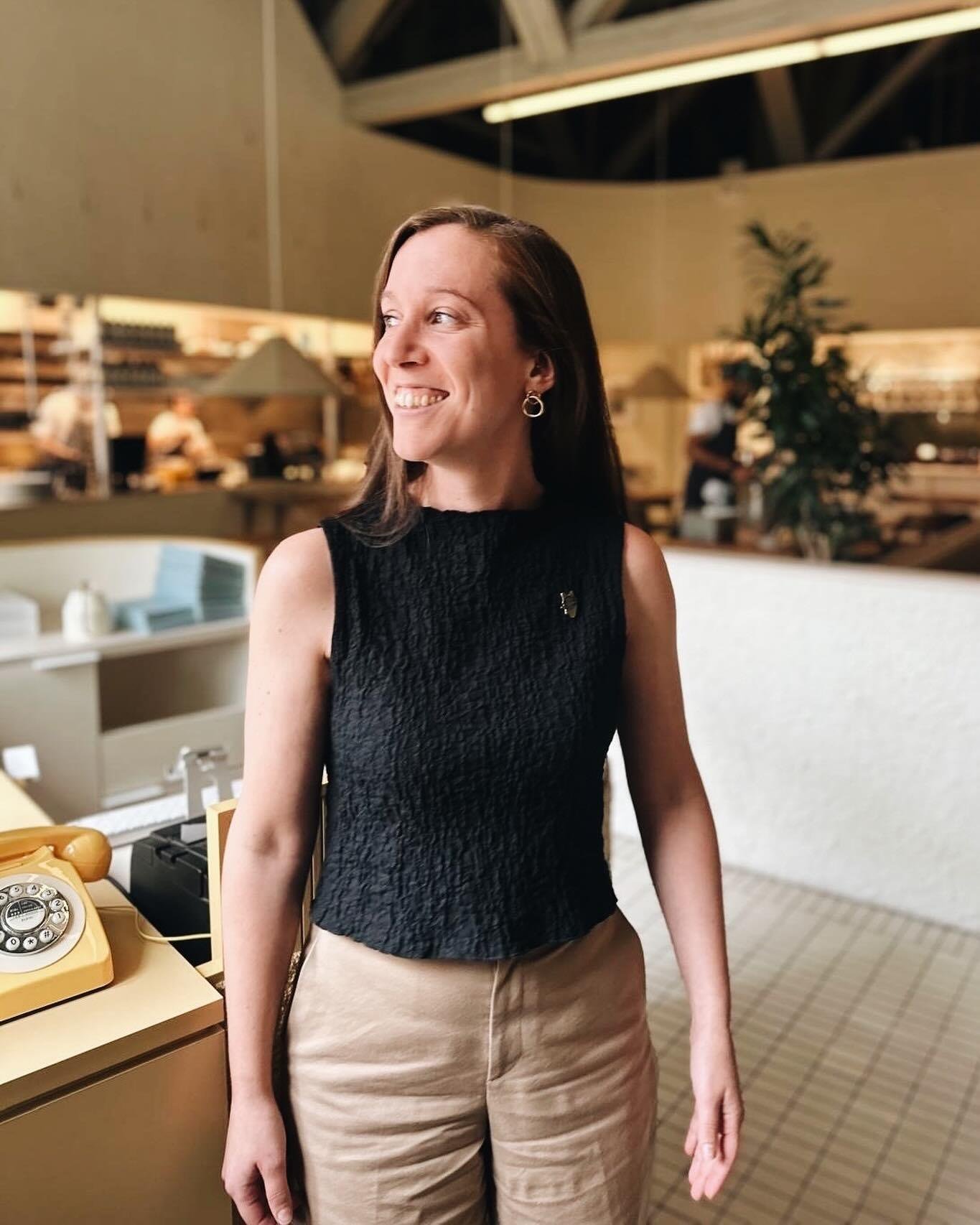
Angela Vettorazzi, General Manager at Savio Volpe and incoming General Manager at Elio Volpe.
Angela’s path into hospitality was not originally part of a long-term plan. Like many in the industry, it began as a practical way to earn a living while traveling and figuring out what came next. Born and raised in Italy, she had worked in restaurants from a young age, but the idea of building a career in hospitality only fully took shape after she moved to Vancouver.
Experiencing restaurant culture in both countries revealed how differently the profession can be understood. In Canada, hospitality carries a broader recognition as a craft and a career in its own right. As Angela explains, “It’s not seen the same way [in Italy]… even if you’re a server… the wage is not good enough to live off.” In Vancouver, service roles are widely treated as long-term professions, with space to build expertise, pride, and a sense of identity within the work itself.
That distinction helped shape Angela’s decision to stay and continue building her career with Banda Volpi, where she has now spent seven years. The group’s culture reflects something larger about hospitality in Canada: a belief that great restaurants are built not only by chefs and owners, but by dedicated professionals across every role in the dining room.
Even so, the path forward was not without hesitation. When Angela was offered the General Manager role at Savio Volpe, the group’s flagship restaurant with a team of roughly seventy staff across front and back of house, her first instinct was that she might not be ready. It is a moment many women recognize: the quiet pull of imposter syndrome and the tendency to wait until one feels almost overqualified before stepping forward.
“Being clear and direct is not a negative trait. In hospitality it’s often one of the most valuable leadership tools you have. If you can combine that with empathy, you are really unstoppable.”
Maia Pearson recognizes the pattern in herself as well. “Too many times I have let imposter syndrome hold me back or keep me stagnant. You are in this place for a reason. Let your voice be heard.” She adds, “Being clear and direct is not a negative trait. In hospitality it’s often one of the most valuable leadership tools you have. If you can combine that with empathy, you are really unstoppable.”
“You don't want to feel comfortable when you make a move like that. You want to be uncomfortable,” Emily says.
Angela accepted the role and went on to become one of Savio’s most celebrated General Managers, and a year and a half later her promotion to lead Elio leaves the Savio team, as Emily puts it with happiness and pride, both “celebrating her but equally devastated.”
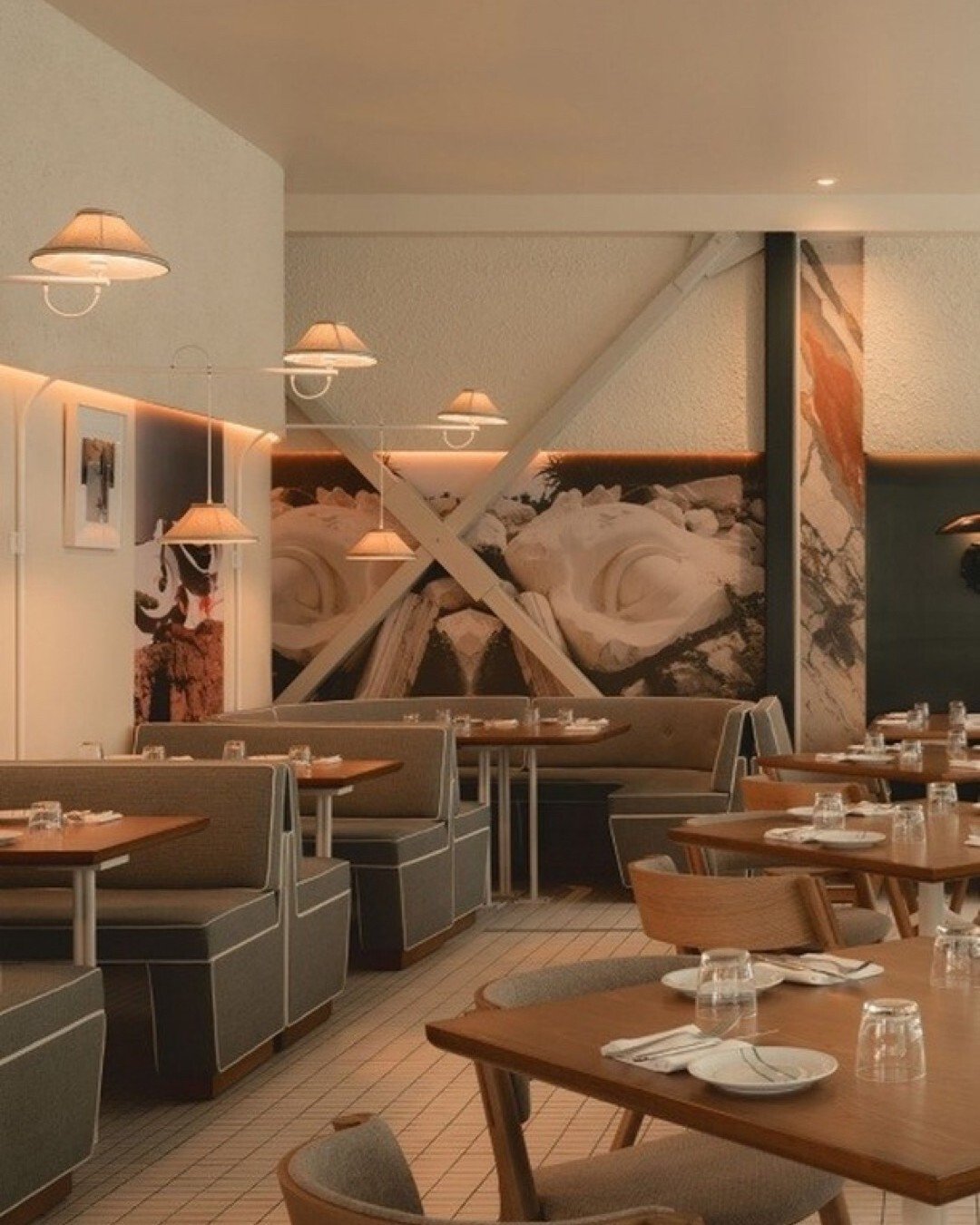
The dining room at Elio Volpe.
When asked about fostering creativity, the breadth of responses could easily have filled an article of their own. “I was on the opening team at Elio,” says Maia Pearson, Sommelier at Elio Volpe, “so I helped build it from the ground up.” Working in partnership with the Wine Director, Kristi Linneboe, she adds that “bringing the wine program and service standards to life from something conceptual and watching it grow across these two years has been amazing” and that watching and nurturing the team has been “crazy satisfying.” She adds, “a wine program isn't just a list of bottles. It's the culture around how wine is talked about, served, and shared with guests. Being able to help shape that from day one was incredibly fulfilling.”
When the conversation turns to the next generation, we really get into the core of the change that is taking place in the industry (and we’d argue, across most industries). One of the most significant shifts happening in hospitality today is being driven by the expectations of the next generation entering the workforce, a topic Kyra Wise is particularly mindful of. Younger employees, she notes, are less interested in rigid hierarchies and far more attuned to the culture and values of the organizations they join. “The newer generation of employees is demanding different expectations from employers and leaders,” she explains, pointing out that traditional top-down management styles are rapidly losing relevance.
In today’s restaurants, leadership requires greater transparency, empathy, and the ability to guide rather than simply instruct. As Kyra puts it, “There’s a lot more to leadership now than just ‘I’m the boss and you do as I say.’” With younger teams increasingly prioritizing respect and purpose in their work, the tolerance for outdated leadership models has shrunk dramatically. “There’s less willingness to take bad leadership,” she says, a reality that is pushing hospitality operators to rethink how they support, motivate, and grow their teams.
“ There’s a lot more to leadership now than just ‘I’m the boss and you do as I say.”
The conversation had covered leadership, mentorship, and the future of the industry. But restaurants are built on something simpler as well: the pleasure of a dish done right. Before everyone prepared for service, we asked one final question: across Pepino’s, La Tana, Elio, or Savio, what is the one dish you would happily eat every day?
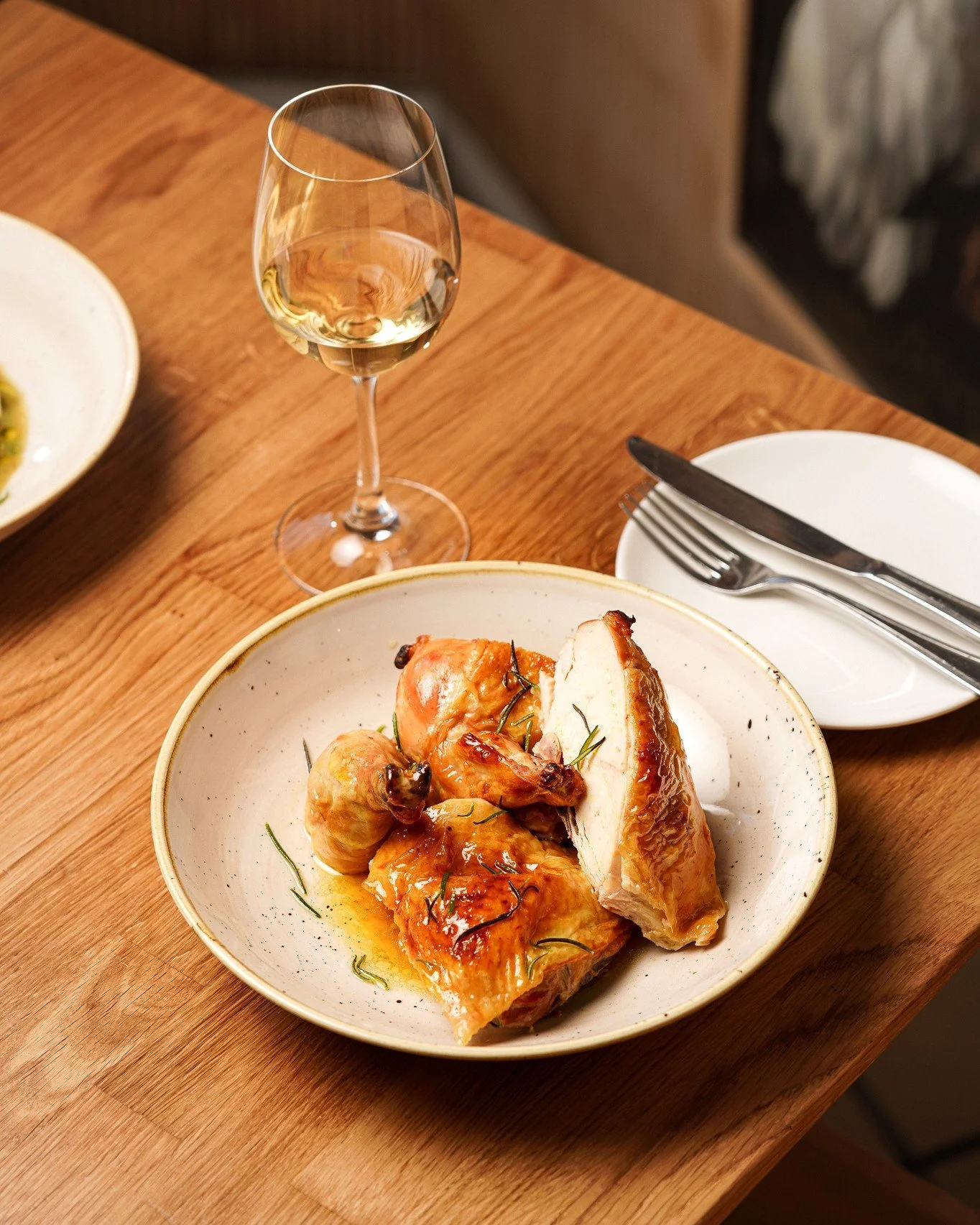
The crowd favourite, the chicken, at Savio.
Savio’s half chicken — “My mouth is watering just typing this, and I’m an ex-vegetarian of over 20 years,” says April.
The sausage-wrapped olives at Pepino’s — “definitely a desert island food,” according to Maia. We’ve had them. We could absolutely have more of them.
The seared albacore tuna at Savio Volpe — Angela’s answer, delivered without a second of hesitation.
Carne Cruda at Savio — Jordan Yeager’s pick, though she admits the breakfast pizza at Elio is a close second.
Any steak from the woodfire grill at Savio — Emily’s official answer. But despite us asking for just one dish, she can’t help adding the chicken to the list as well. “Anytime someone new goes to Savio they always ask me what to get, and I always say the chicken and everyone’s like ‘What’ and then they try it and understand.” It’s also Kyra’s favourite. Emily adds one more personal indulgence to the list: the Uova Verdi at La Tana — “Scrambled 'Coligny Creek' Eggs, Avocado, Arugula, Zucchini, Salsa Verde.”
And for fun, we asked Maia about an underrated wine region. Australia was the standout. With so much diversity across its microclimates, she highlights one of her favourite female producers and bottles: Jayden Ong’s One Block Syrah from the Yarra Valley, which she describes as “Expressive, thoughtful and a little bit unexpected.”
Beyond daydreaming about our next four reservations at Savio, Pepino’s, La Tana and Elio, where we later found ourselves eating our hearts out at the bar (thanks for the great service, Chantel!), we kept returning to a few ideas that feel deeply aligned with Banda’s philosophy: meritocracy, respect, and, straight up, fun.
As much as we appreciate the intention behind International Women’s Day, it inevitably raises a larger question: why should these principles require a designated moment at all? The real work isn’t in the day, the annual themes or statements. It’s in the daily practice of leadership, in how you show up for your friends, colleagues, loved ones, and yourself.
At Banda, that mindset defines them. Jordan Yeager, who leads marketing and communications, puts it simply: “To be honest, I don’t know that I think about representing the women in our group as a separate initiative from representing our team as a whole.”
It is how equity actually works, how equality takes shape, and, as Maia notes, how “clear pathways to leadership” begin to emerge.
It is also how great restaurants are built.

About DINR
DINR offers same day and exclusive reservations at the best restaurants in Toronto and across Canada. Since its inception in Montréal, DINR has built a cult following among award-winning chefs, discerning diners, and avid travellers passionate about unparalleled culinary and hospitality experiences.

